
Effective waste practices are more important today than ever before, especially in growing cities like Reno. Local organizations face rising disposal costs, stricter regulations, and increasing pressure from customers to operate responsibly.
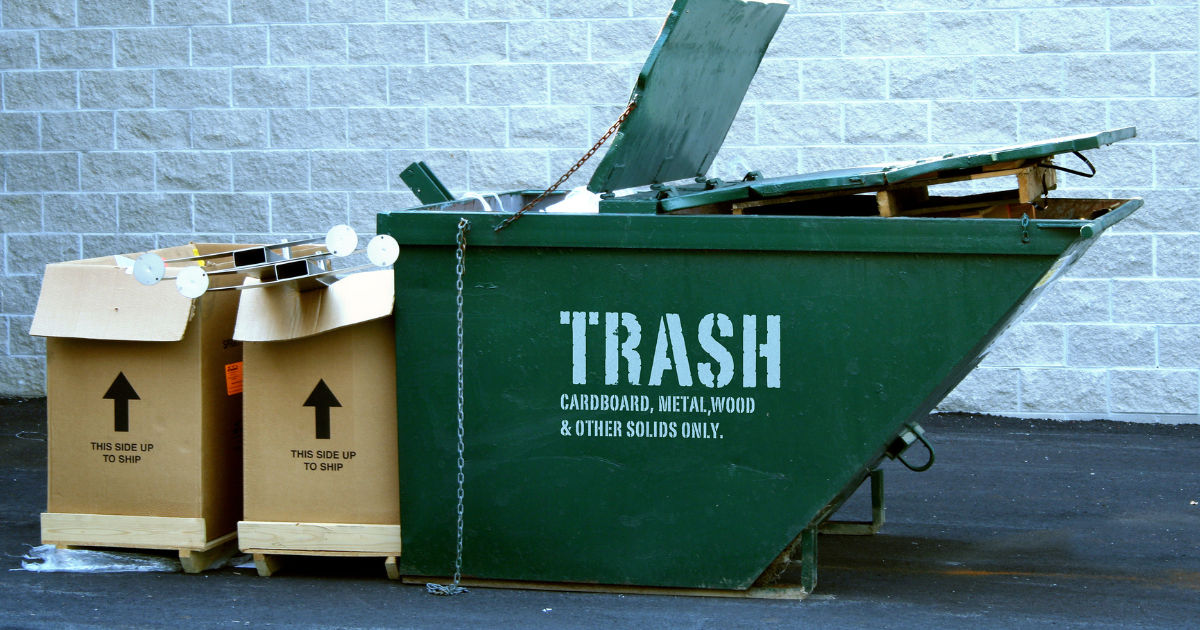
As a result, waste management in reno nv has become a core part of a business’s long-term strategy rather than an afterthought.
This guide explains how companies can improve their systems, reduce operational expenses, comply with state and local rules, protect the environment, and strengthen their public image. Throughout the discussion, the focus stays on practical steps that any business can implement, regardless of size or industry.
The Importance of Solid Waste Planning
For businesses, the way waste is handled affects finances, workplace cleanliness, customer satisfaction, employee safety, and compliance. When waste management in reno nv is handled poorly, companies experience higher hauling fees, overflowing dumpsters, safety hazards, missed pickups, and potential fines for inappropriate disposal.
But when handled properly, waste management in reno nv can:
-
Reduce operating costs
-
Improve recycling output
-
Lower environmental impact
-
Strengthen brand reputation
-
Increase workplace efficiency
-
Support long-term sustainability goals
Many local companies discover that the greatest challenge is not the amount of waste produced but the system used to handle it. With steady growth in Reno’s commercial districts, the need for structured waste management in reno nv becomes even more pressing.
The Current Waste Landscape in Reno
Reno’s business community includes casinos, offices, manufacturing plants, schools, restaurants, medical facilities, and retail stores. Each produces unique waste streams, meaning there is no one-size-fits-all solution.
As urban development expands, waste management in reno nv continues to evolve. Local regulations encourage recycling and proper disposal, while businesses are encouraged to adopt greener practices. With rising landfill costs and increased environmental focus, companies benefit from improving their systems sooner rather than later.
Key Areas Where Businesses Can Make Immediate Improvements
Waste Stream Audits
Every improvement begins with understanding what is being thrown away. A detailed audit reveals exactly where the company is overspending. Many organizations discover that they are paying for unnecessary pickups or disposing of materials that could be recycled.
A thorough waste stream audit helps identify:
-
Waste volume
-
Material types
-
Contamination points
-
Disposal habits
-
Opportunities for recycling
-
Savings on hauler fees
This makes waste stream audits a central part of modern waste management in reno nv for serious businesses.
Employee Training and Awareness
No waste system succeeds without the participation of employees. Workers often throw items out incorrectly simply because they lack clear instructions.
Strong training programs should include:
-
Clear signage
-
Training sessions
-
Color-coded bins
-
Simple rules for sorting
-
Incentives for good habits
Improving staff knowledge results in cleaner recycling streams and more efficient waste management in reno nv.
Better Bin Placement and Labeling
The placement of bins has a major impact on usage. When recycling bins are not conveniently located, most recyclable material ends up in the trash.
Helpful strategies include:
-
Pairing trash and recycling bins together
-
Using large, visible labels
-
Following color standards
-
Adding icons for quick recognition
When containers are placed correctly, your waste management in reno nv system becomes far more consistent and effective.
Reducing Waste at the Source
The most efficient waste is the waste that never exists. Companies can significantly reduce volume through small operational changes, such as:
-
Switching to reusable products
-
Choosing suppliers with sustainable packaging
-
Purchasing in bulk
-
Digitizing paperwork
-
Using refillable containers
These changes reduce costs while supporting long-term waste management in reno nv goals.
Recycling Improvements for Reno Businesses
Recycling is a major component of responsible commercial waste handling. Businesses can dramatically increase recycling rates with a few smart adjustments.
Identifying What Can Be Recycled
Many companies simply do not know which materials can be recycled. In Reno, most commercial recycling programs accept:
-
Cardboard
-
Paper
-
Plastic bottles
-
Aluminum
-
Steel
-
Glass
-
Certain plastics depending on sorting rules
Knowing what belongs in each bin makes waste management in reno nv smoother and more accurate.
Preventing Recycling Contamination
Contamination happens when non-recyclable items end up in the recycling stream. This reduces value and increases sorting costs.
To limit contamination, companies should:
-
Educate employees regularly
-
Keep food waste away from recycling
-
Use clear signage
-
Rinse containers before disposal
Every reduction in contamination improves the overall quality of waste management in reno nv for business properties.
Commercial Composting Options
Food waste accounts for a large portion of commercial trash, especially in restaurants, hotels, and cafeterias. Composting can reduce landfill volume and lower hauling fees.
Composting works well for:
-
Fruit and vegetable scraps
-
Coffee grounds
-
Tea bags
-
Eggshells
-
Garden waste
By participating in composting programs, businesses strengthen sustainability efforts while enhancing waste management in reno nv.
Choosing the Right Waste Management Partner
Selecting the best vendor is one of the most important decisions a business can make. A reliable partner can help reduce operational waste, lower costs, and ensure compliance.
What to Look For
When selecting a provider for waste management in reno nv, businesses should look for:
-
Flexible pickup schedules
-
Full waste and recycling services
-
Transparent pricing
-
Customer service reliability
-
Experience with commercial clients
-
Compliance with local regulations
A high-quality hauler helps streamline the process and ensures long-term efficiency.
Customized Solutions Matter
Every business has unique needs. A restaurant may require daily pickup, whereas an office building may only need weekly service. Large manufacturing sites may require roll-off containers, while small shops simply need routine recycling services.
This is why selecting a partner that offers customized waste management in reno nv solutions is essential.
Improving Sustainability Through Smart Practices
Reducing Landfill Dependence
Landfills take up space, produce greenhouse gases, and create long-term pollution. Reducing landfill usage is not only good for the environment but also financially beneficial over time.
Businesses can reduce landfill dependence by:
-
Increasing recycling
-
Using composting programs
-
Reducing single-use plastics
-
Donating reusable items
-
Implementing long-term sustainable policies
These steps help improve waste management in reno nv while lowering environmental impact.
Donating or Reusing Materials
Many items thrown away still hold value. Donations can help local communities while saving businesses money.
Common items suitable for reuse:
-
Office furniture
-
Electronics
-
Packaging materials
-
Excess supplies
-
Construction materials
Reusing or donating items cuts costs and enhances waste management in reno nv productivity.
Using Technology for Better Waste Tracking
Modern software tools now allow businesses to monitor real-time waste data, track costs, and analyze patterns.
Benefits include:
-
Accurate waste measurement
-
Cost-saving insights
-
Pickup optimization
-
Identification of contamination sources
Technology brings clarity to waste management in reno nv, making systems more efficient and organized.
Industry-Specific Waste Strategies
Different businesses have different needs. Tailored approaches ensure that each sector manages waste effectively.
Offices and Corporate Buildings
Office waste typically includes paper, cardboard, electronics, and food waste. Effective steps include:
-
Digital workflows
-
Paper recycling stations
-
Electronics recycling
-
Centralized waste hubs
These simple changes greatly improve waste management in reno nv in office environments.
Restaurants and Food Service Businesses
Food service generates the highest amount of organic waste. Successful strategies include:
-
Composting programs
-
Grease recycling
-
Food donation partners
-
Clear recycling systems for staff
These methods reduce disposal fees and create cleaner, safer kitchens.
Retail Stores
Retail waste includes packaging, cardboard, damaged goods, and plastic wrap. Efficient practices include:
-
Cardboard balers
-
Return-to-vendor agreements
-
Reducing packaging
-
Recycling shrink wrap
Retailers benefit from streamlined waste management in reno nv that keeps storage areas organized.
Industrial and Manufacturing Facilities
Manufacturers often produce metal, wood, plastic, and hazardous materials. Solutions include:
-
Specialized recycling
-
Hazardous waste handling
-
Safe chemical disposal
-
Bulk waste compaction
Strong compliance is essential in this industry, making structured waste management in reno nv crucial for safety and cost-control.
Financial Benefits of Better Waste Management
Many companies overlook the fact that better waste systems save money. Some of the largest financial benefits include:
-
Lower dumpster rental fees
-
Reduced hauling frequency
-
Fewer contamination surcharges
-
Higher recycling revenue
-
Reduced material consumption
-
Streamlined operations
When done well, waste management in reno nv supports long-term financial sustainability.
How Businesses Can Build a Zero-Waste Mindset
Zero-waste does not require perfection—it requires commitment. Companies can begin by setting realistic goals and gradually reducing waste through smarter practices.
Key pillars of a zero-waste mindset:
-
Reduce
-
Reuse
-
Recycle
-
Recover
-
Reevaluate operations
Adopting this mindset strengthens brand image and improves waste management in reno nv from the ground up.
Creating Long-Term Waste Policies
Policies help establish clear expectations for employees, suppliers, and partners.
Effective long-term policies should cover:
-
Waste reduction goals
-
Recycling standards
-
Pickup schedules
-
Training guidelines
-
Supplier requirements
-
Legal compliance rules
Policies ensure that waste management in reno nv remains consistent even as staff or operations change.
Conclusion
Improving waste systems is one of the smartest decisions a business in Reno can make. From cost savings to environmental responsibility, the benefits are significant and long lasting. Whether through recycling improvements, staff training, better vendor partnerships, or sustainable policies, every step contributes to a cleaner and more efficient community.
Businesses that embrace smarter waste management in reno nv strategies not only reduce their environmental footprint but also strengthen their reputation and operational efficiency. By taking action today, companies position themselves for a future where sustainability and smart resource use define long-term success.

Leave a Reply